
Start with a clear source
Use a JPG, PNG, or WebP image up to 10 MB. A visible subject with some contrast from its surroundings gives you a better starting point. Drag, paste, or choose a file; processing begins after the image is checked.
Image in · reusable cutout out
Turn a portrait, product photo, pet, or object into a transparent PNG without tracing a mask by hand. Add your image and removal starts automatically; inspect the edges before you download or carry the cutout into another tool.
Upload a portrait, product, pet, or object. Background removal starts as soon as the image is ready; you can inspect the cutout before using it elsewhere.
Or drop an image here, or paste one from your clipboard.
JPG, PNG, or WebP · up to 10 MB and 24 megapixels
Your uploaded image and result are private unless you choose to share. Guest Recent stays on this device. After signing in, choose ‘Keep these in my account’ in Creations to move the browser creations currently shown into your account. Usage limits apply.
The checkerboard shows transparent pixels. White, black, and custom-color previews do not run removal again.
Add an image to see its transparent result here.
Reopen a result to download it again, preview another background, or continue editing.
Your next successful cutout will appear here.
Guest cutouts stay on this device. Signing in does not move them; in Creations, explicitly choose ‘Keep these in my account’.
You can try it as a guest. Your image and result are not public unless you choose to share; switching between white, black, and custom-color previews does not spend another removal request. Results can vary around hair, fur, glass, and low-contrast edges.
A practical cutout workflow
The useful outcome is not simply a photo that looks good on this page. It is a cutout you can place on another surface, inspect at full size, and return to later. Treat the transparent PNG as the master version, then make background-specific versions from it.
Use a JPG, PNG, or WebP image up to 10 MB. A visible subject with some contrast from its surroundings gives you a better starting point. Drag, paste, or choose a file; processing begins after the image is checked.
View the result on a checkerboard to see real transparency, then switch to white, black, or a custom color. The different surfaces make halos, missing details, and leftover background easier to spot before you commit to a download.
Download the transparent PNG as the reusable master. You can also download the current color composition, replace the background in Photo Editor, reinterpret the cutout in Image to Image, share an unlisted link, or reopen it from Recent.
Real source · real cutout
These are actual PNG results from this tool, paired with the images we uploaded. Compare the outline and the open spaces yourself, then run any source through the same workflow. No checkerboard is baked into the downloaded result.

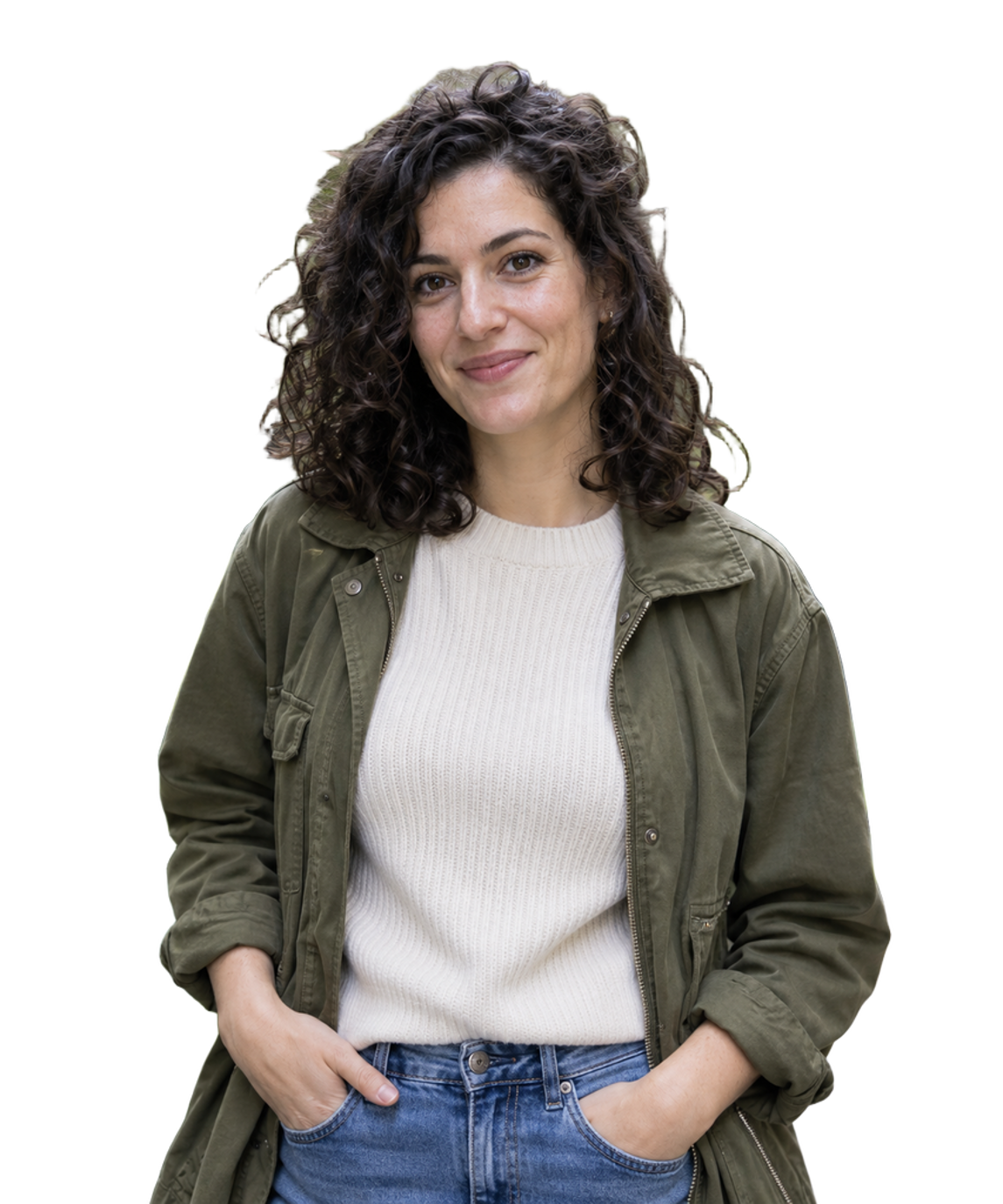
The face, jacket, and most curls separate cleanly. Some fine hairs still carry a hint of garden green; a darker final background may make that easier to see.
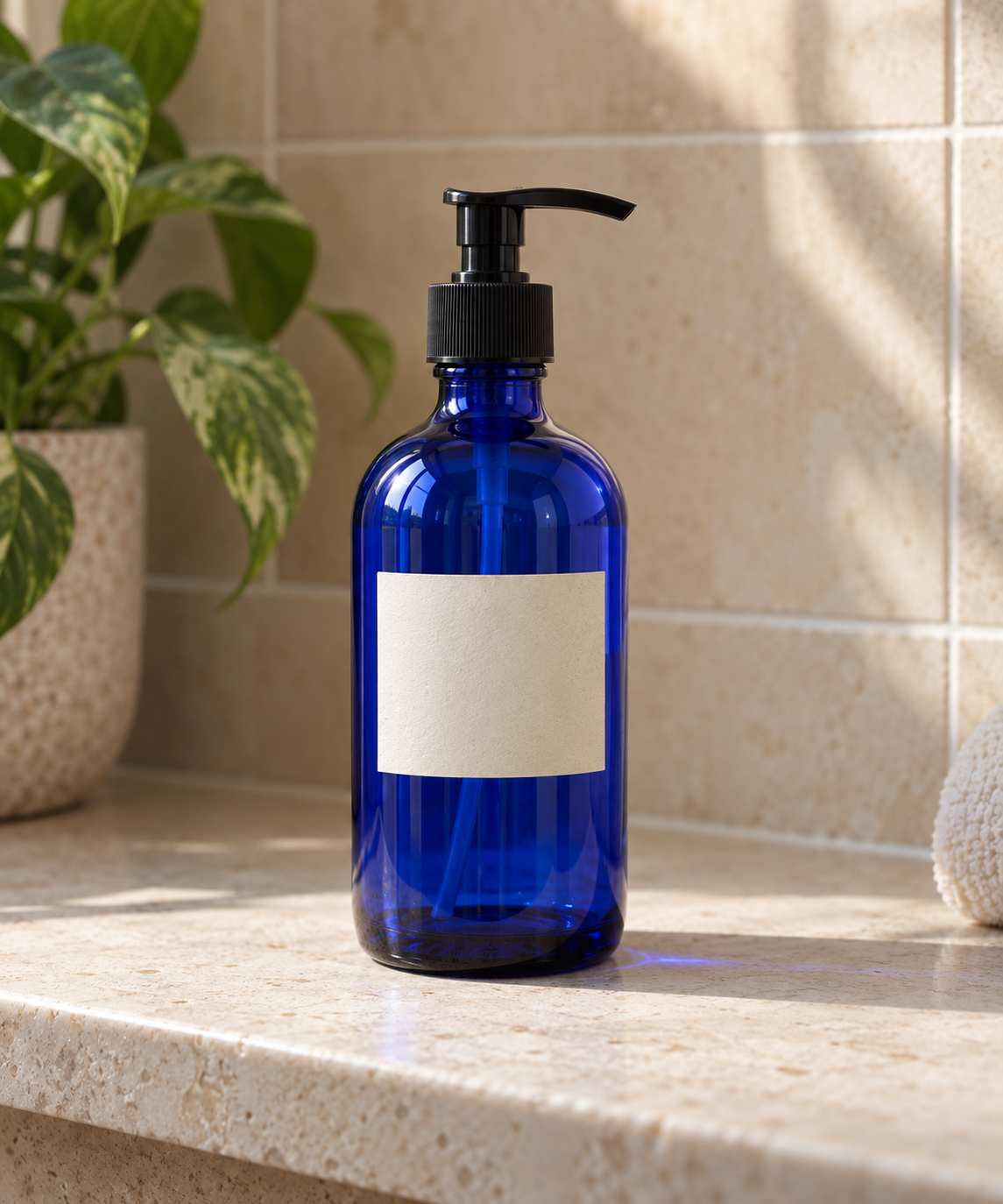
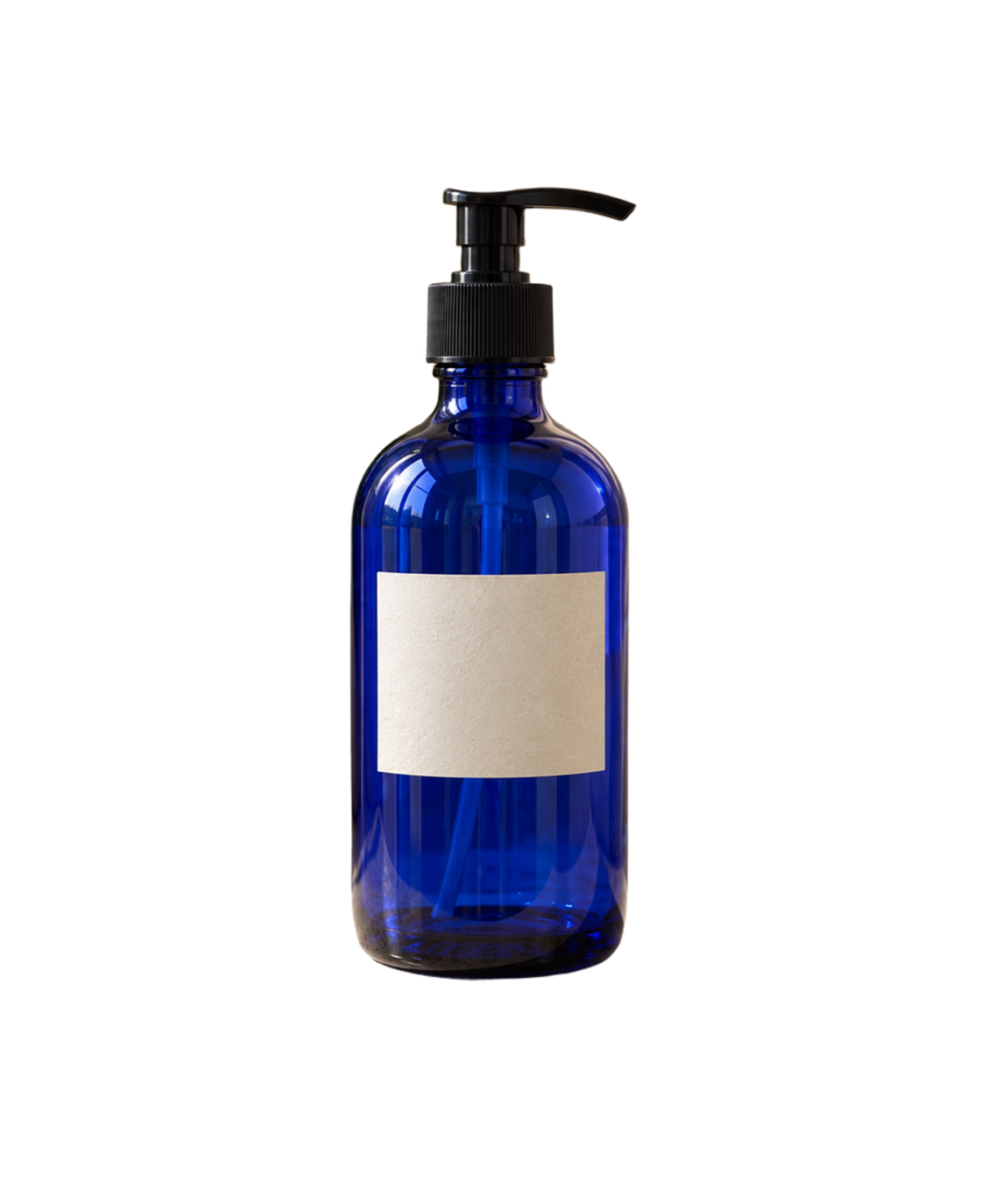
The bottle and pump keep a usable outer silhouette. Reflections inside the blue glass are still part of the photographed product, not a newly rendered surface.
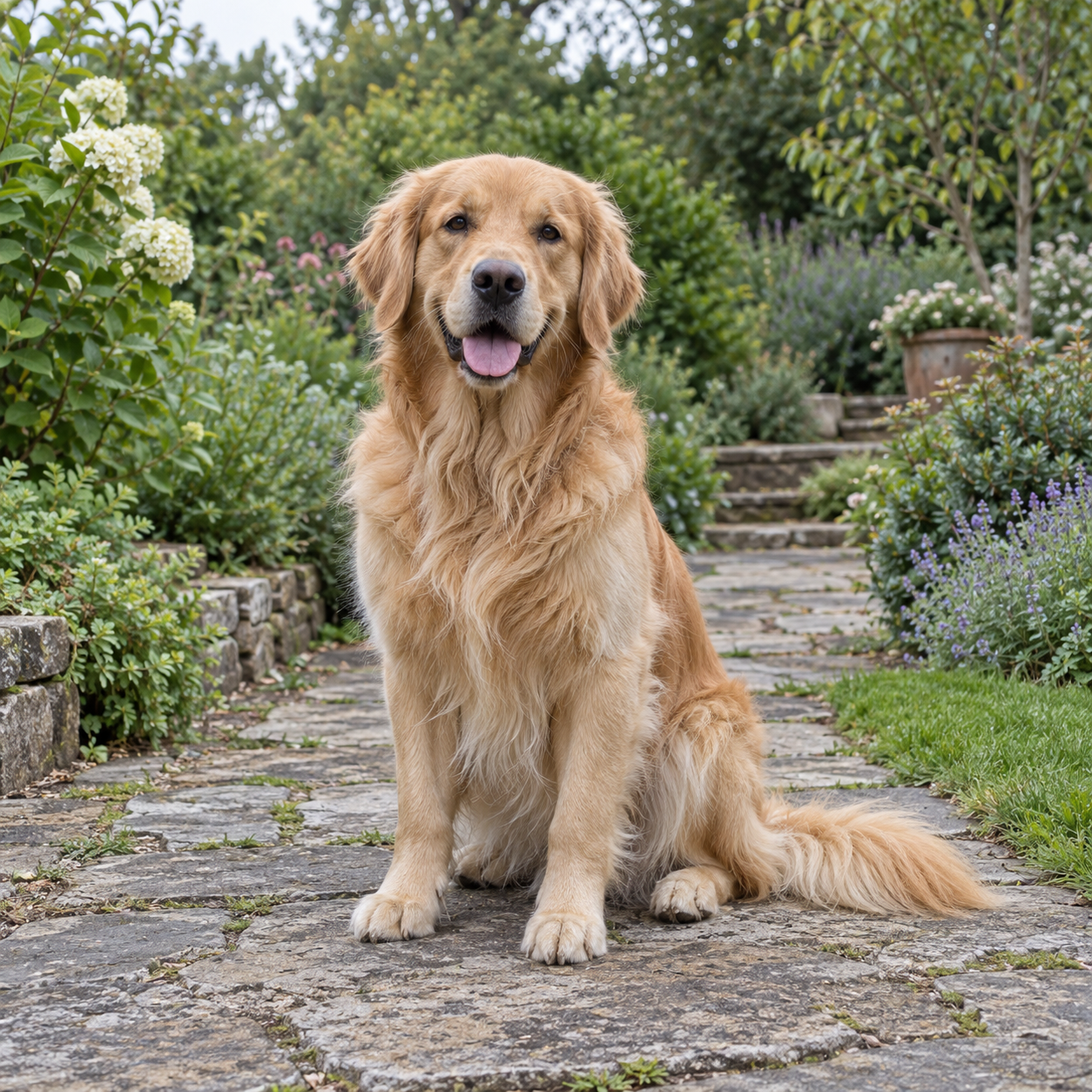
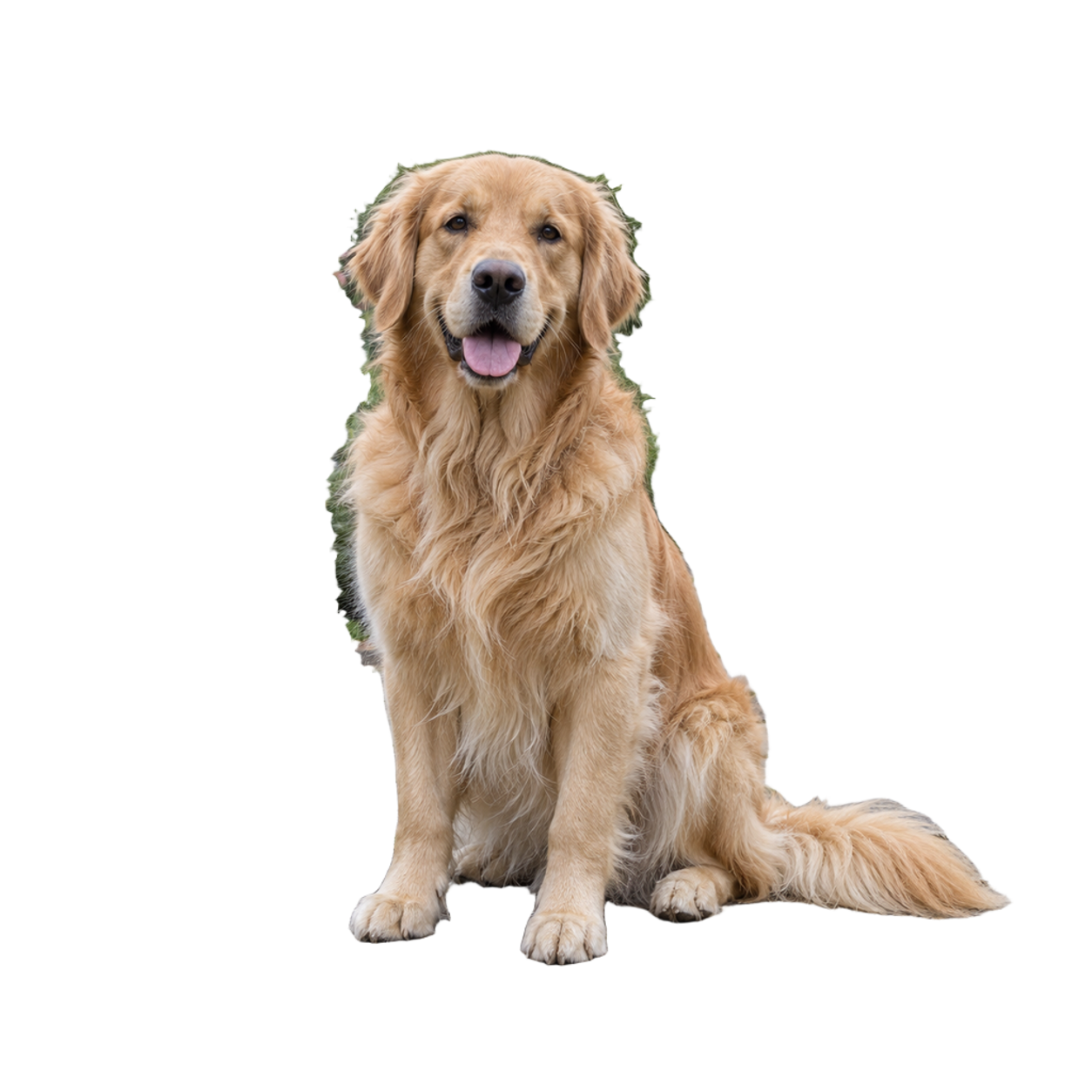
The dog's body and tail remain intact. Soft fur can pick up green from grass behind it, so check the outline on the color where you will use it.
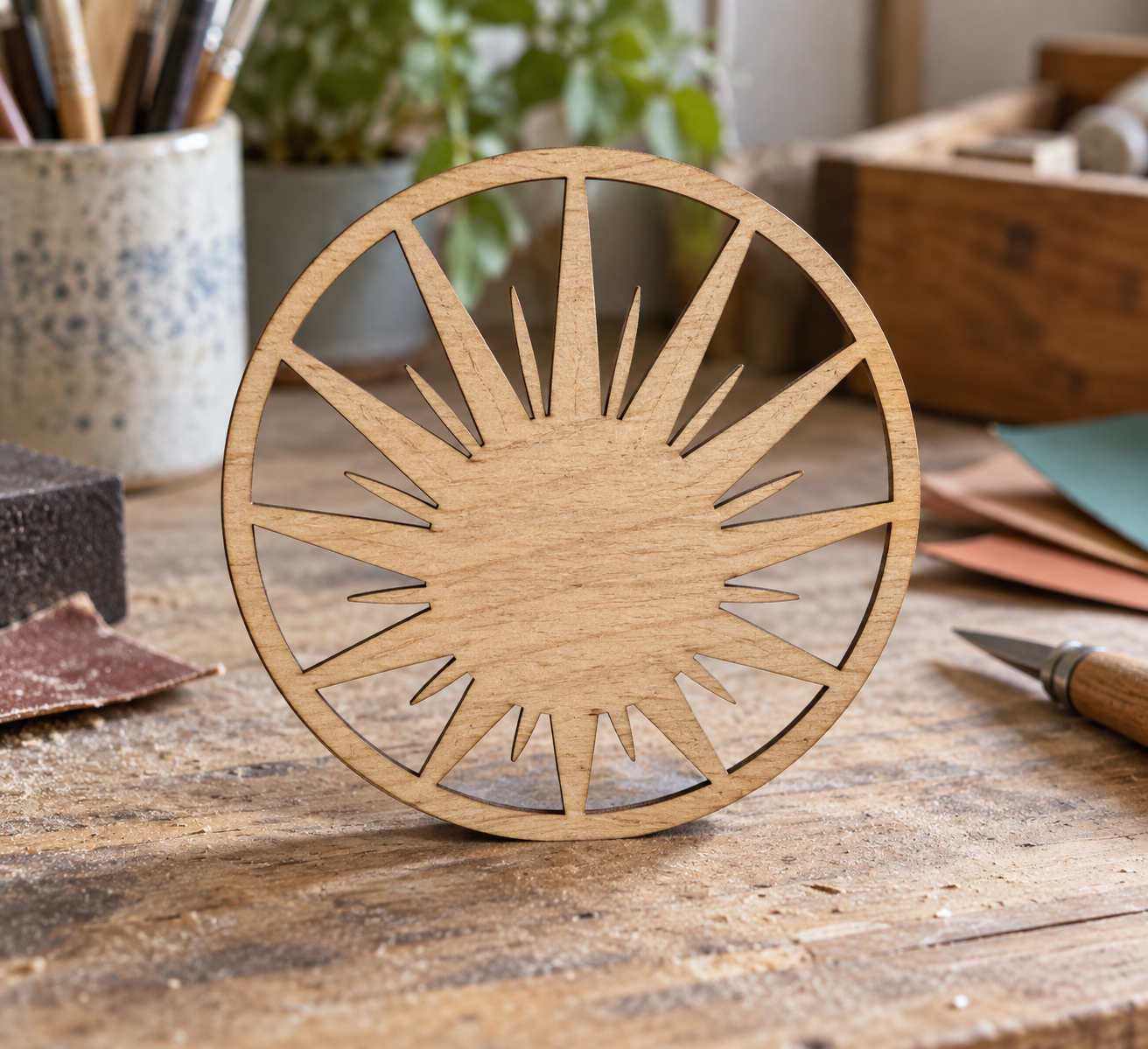
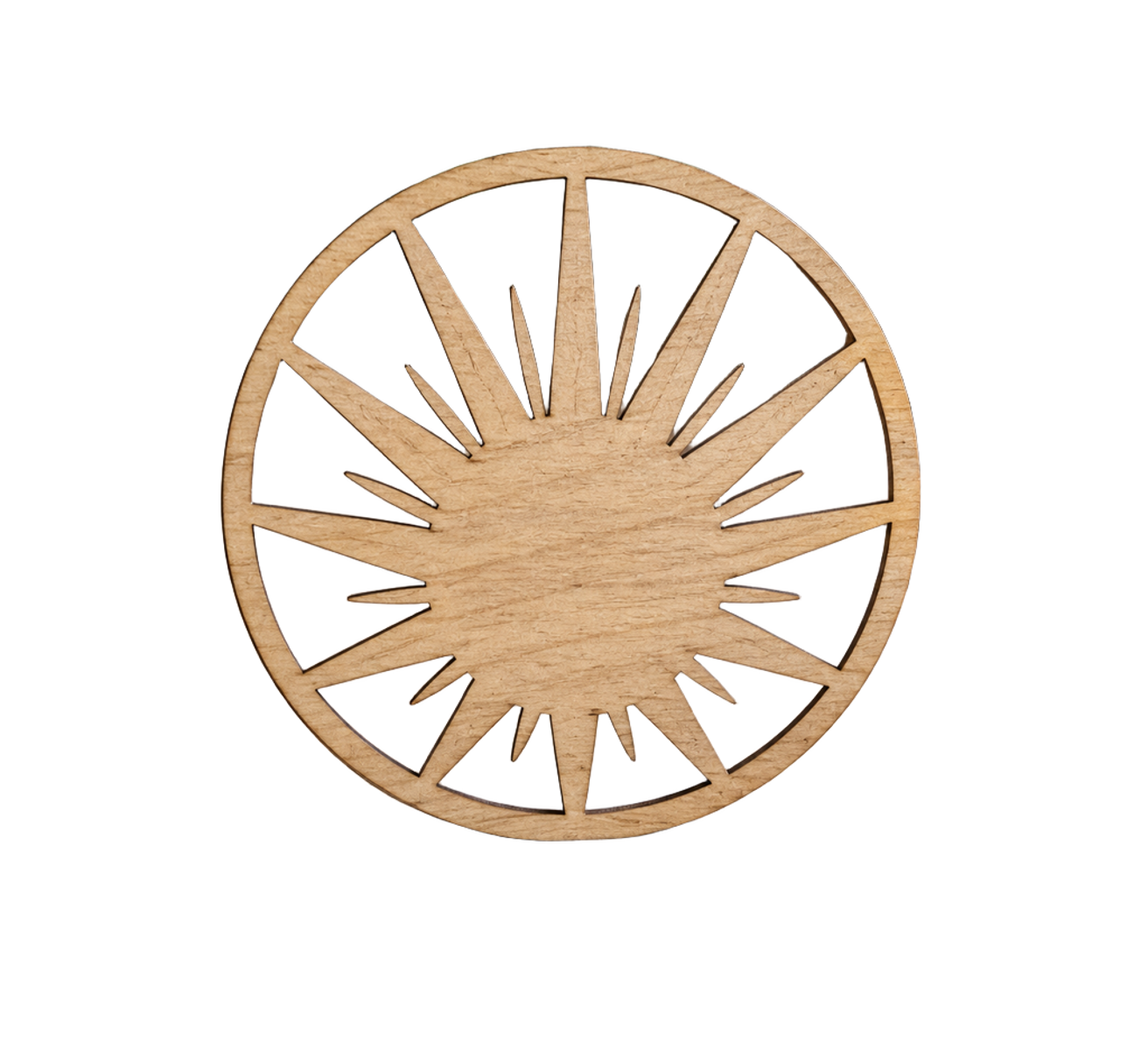
The wooden sunburst retains its thin rays and cut-through spaces. Inspect the narrow inner edges at full size before placing it on a contrasting background.


The fictional botanical mark keeps its counters and most fine branches. A pale matte fringe becomes visible on dark surfaces, so inspect before using the raster result as a brand asset.


The SUV silhouette, mirrors, roof rails, and wheel gaps remain. Reflections from the old lot are still visible inside glass and a narrow pale edge appears on some bodywork.
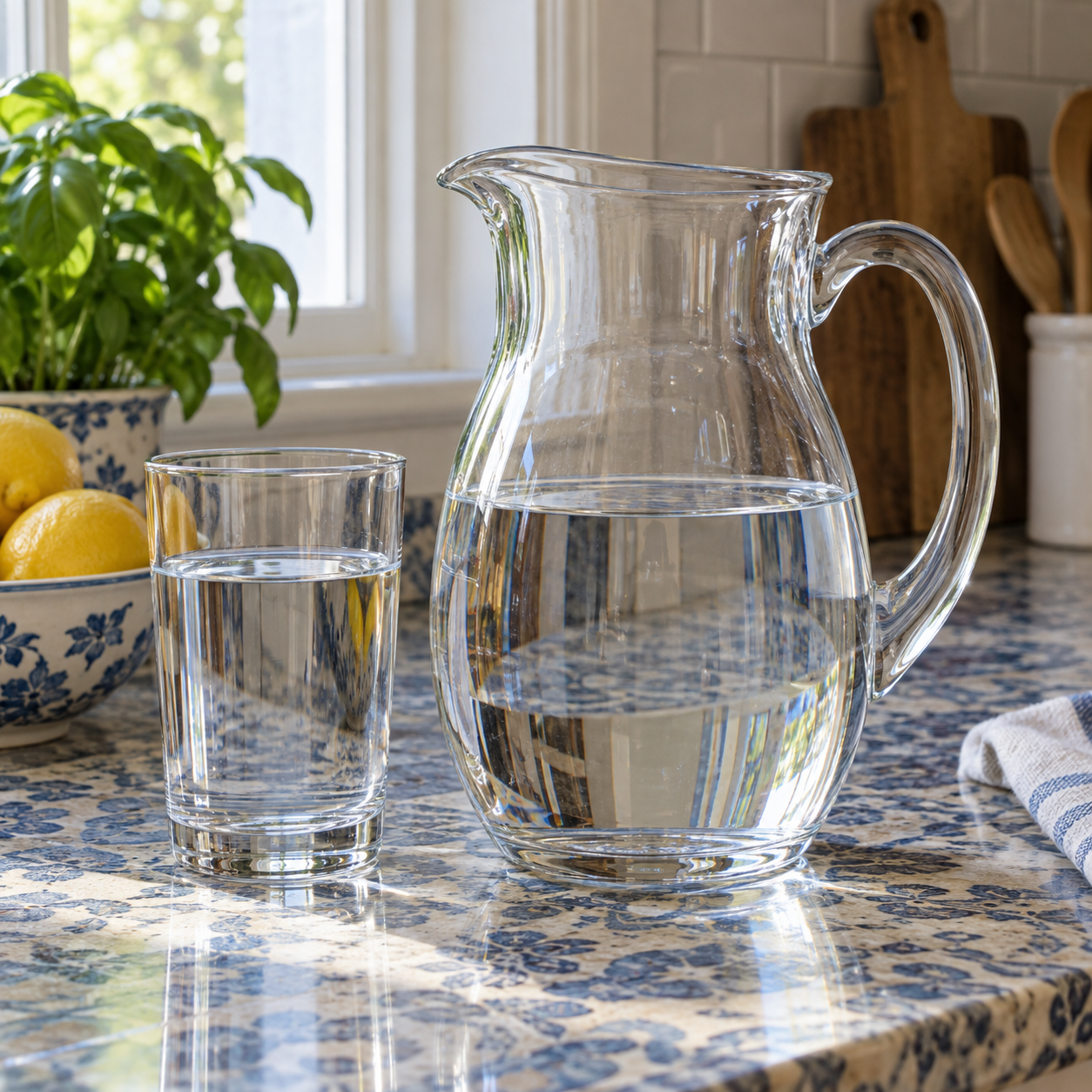
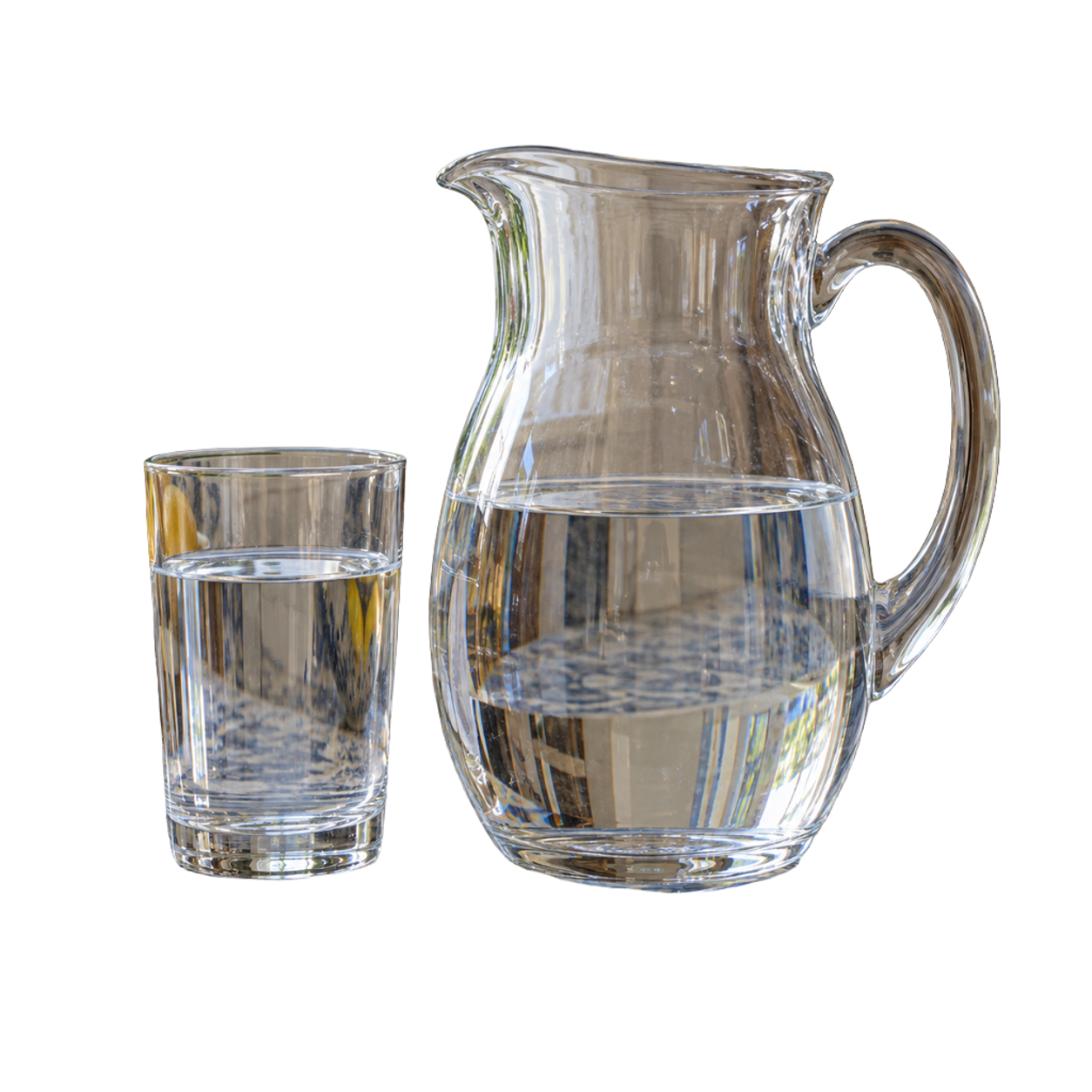
The pitcher, handle, rim, and water remain, but the photographed room also remains visible through the transparent material. Removal does not reconstruct clean glass.
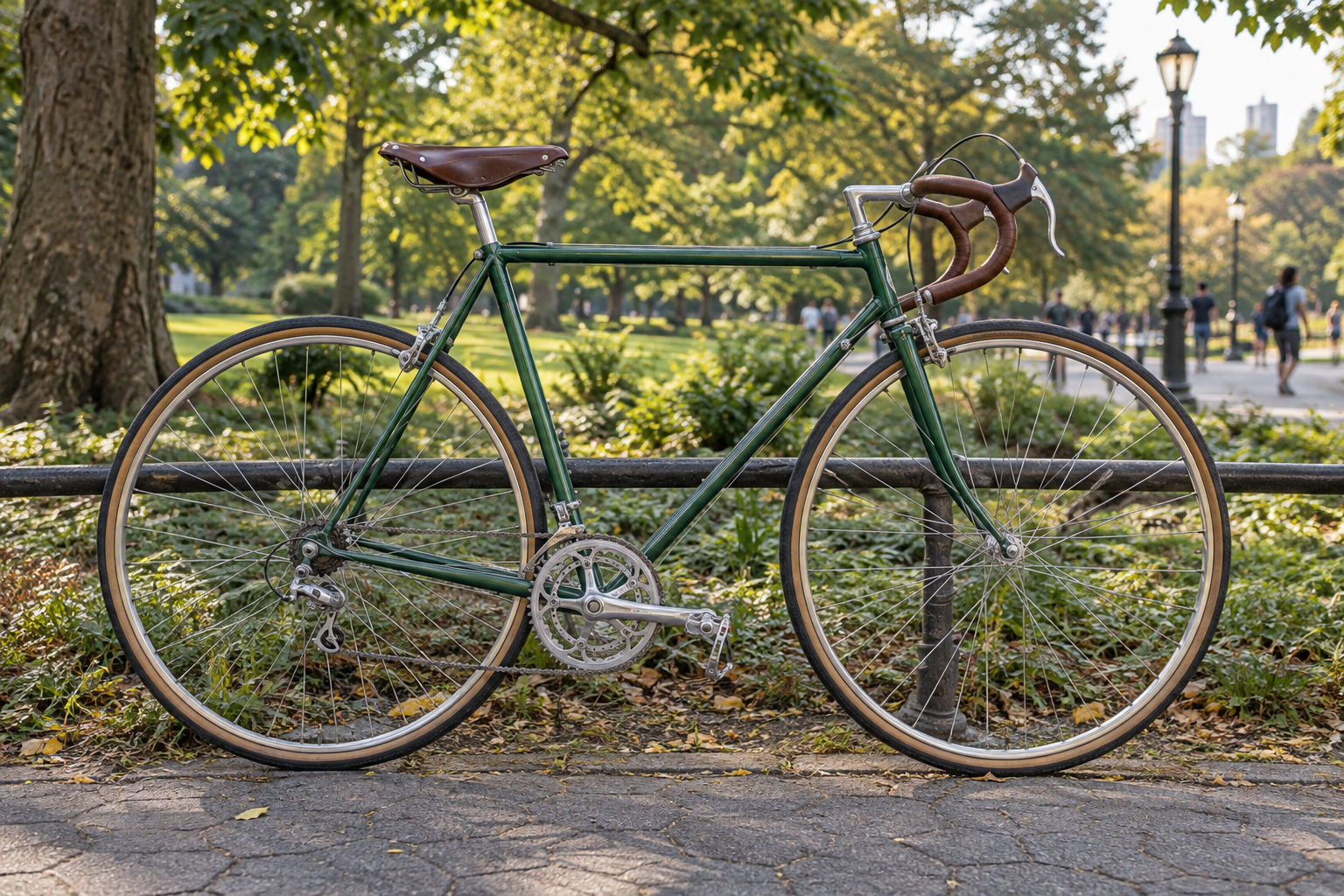
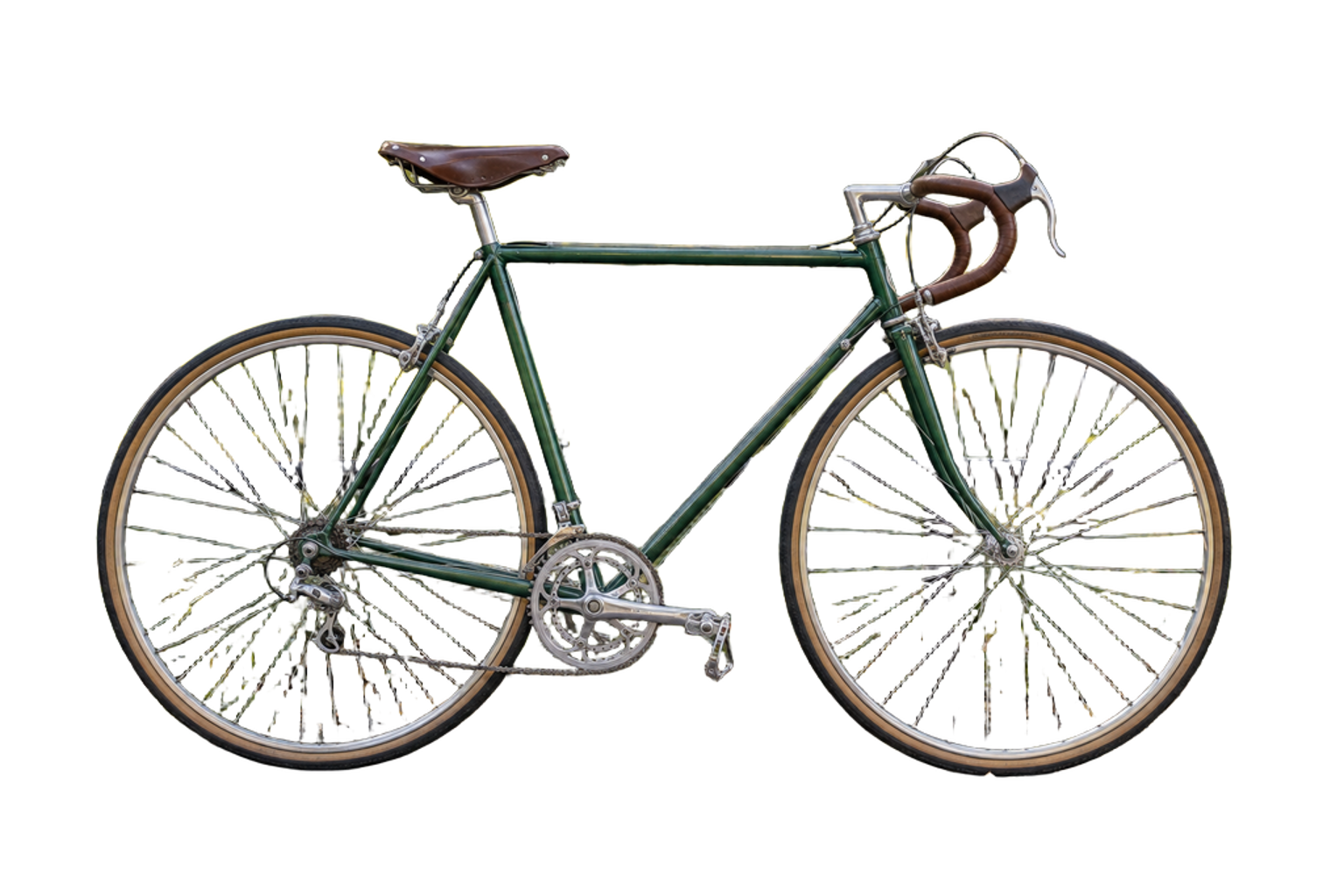
Most spokes, frame openings, and the chain area stay readable. Fine metal edges can keep color from the old scene, especially against a dark replacement background.
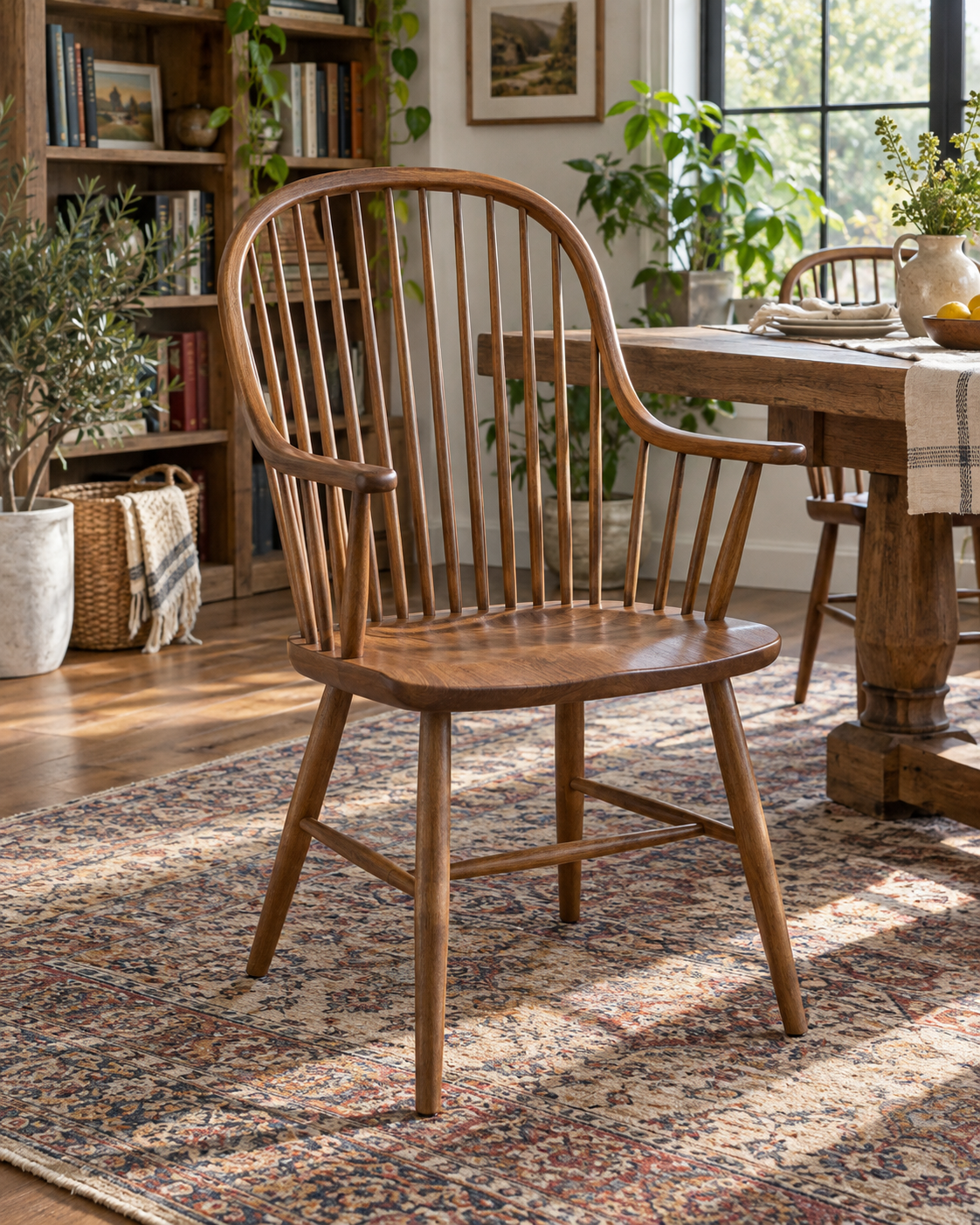
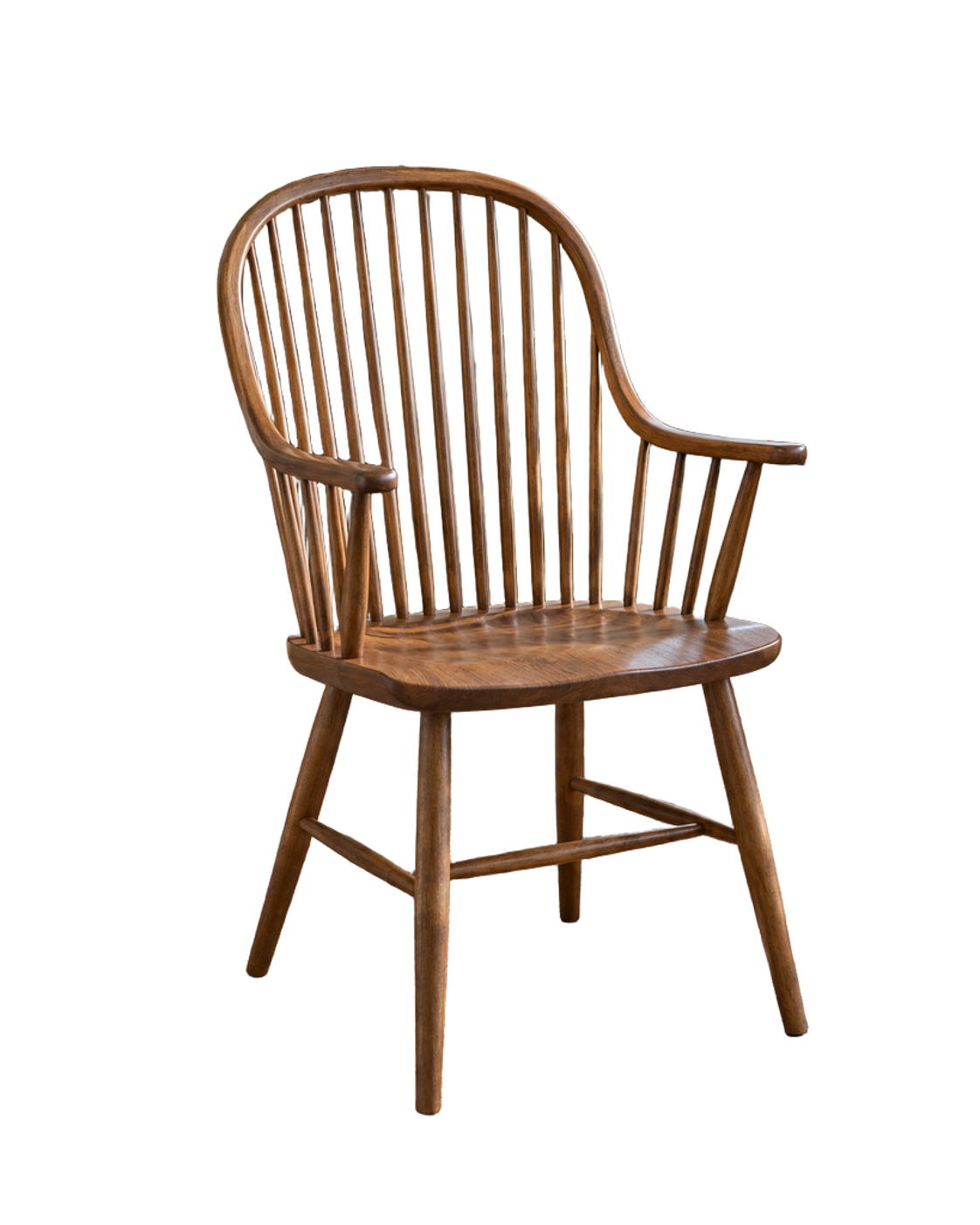
The repeated spindle openings are mostly transparent after a successful retry. Narrow inner edges still deserve a full-size check for residue.
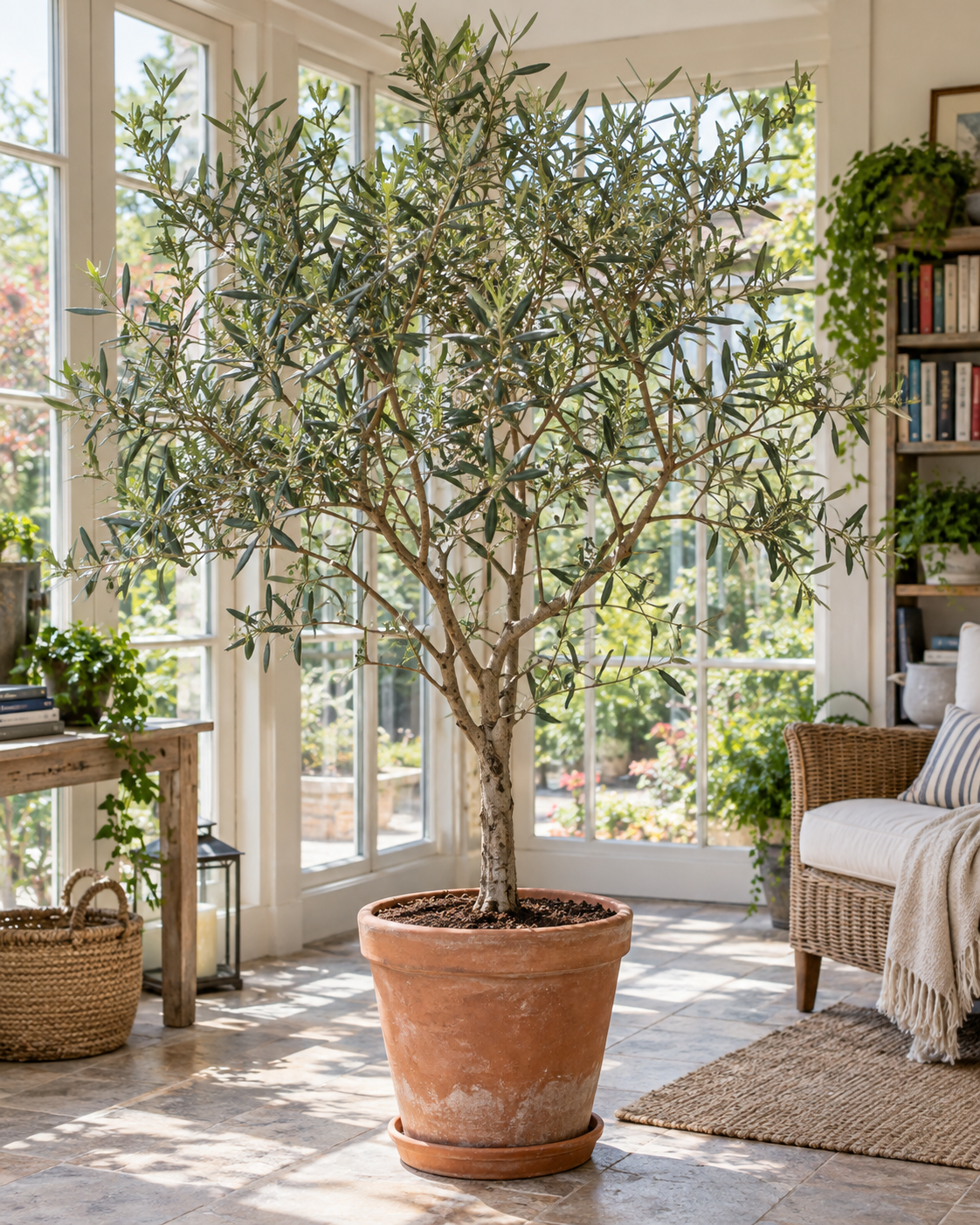
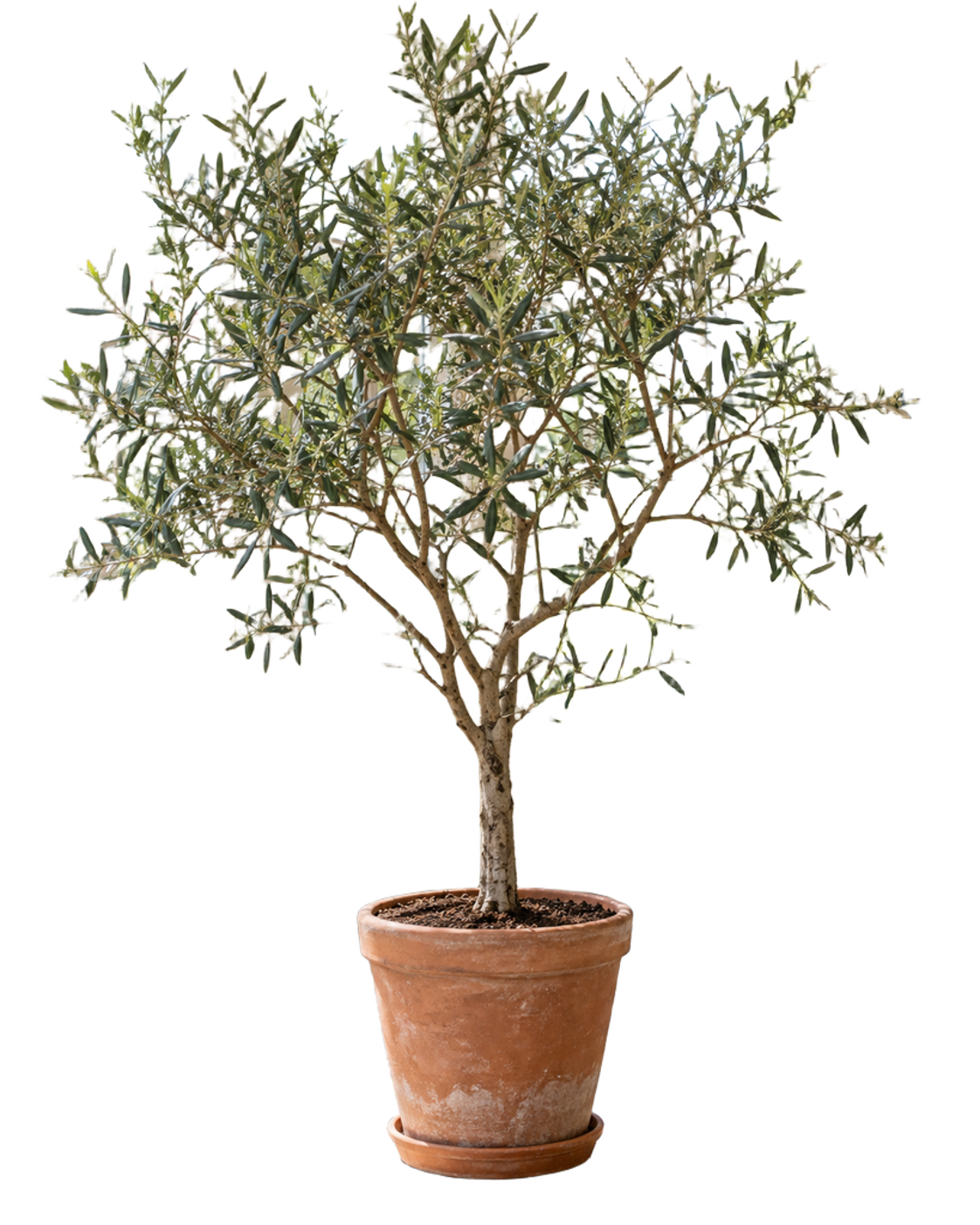
The branching silhouette and most individual leaves remain. Small gaps and leaf tips expose green spill and edge softness more clearly on a contrasting surface.
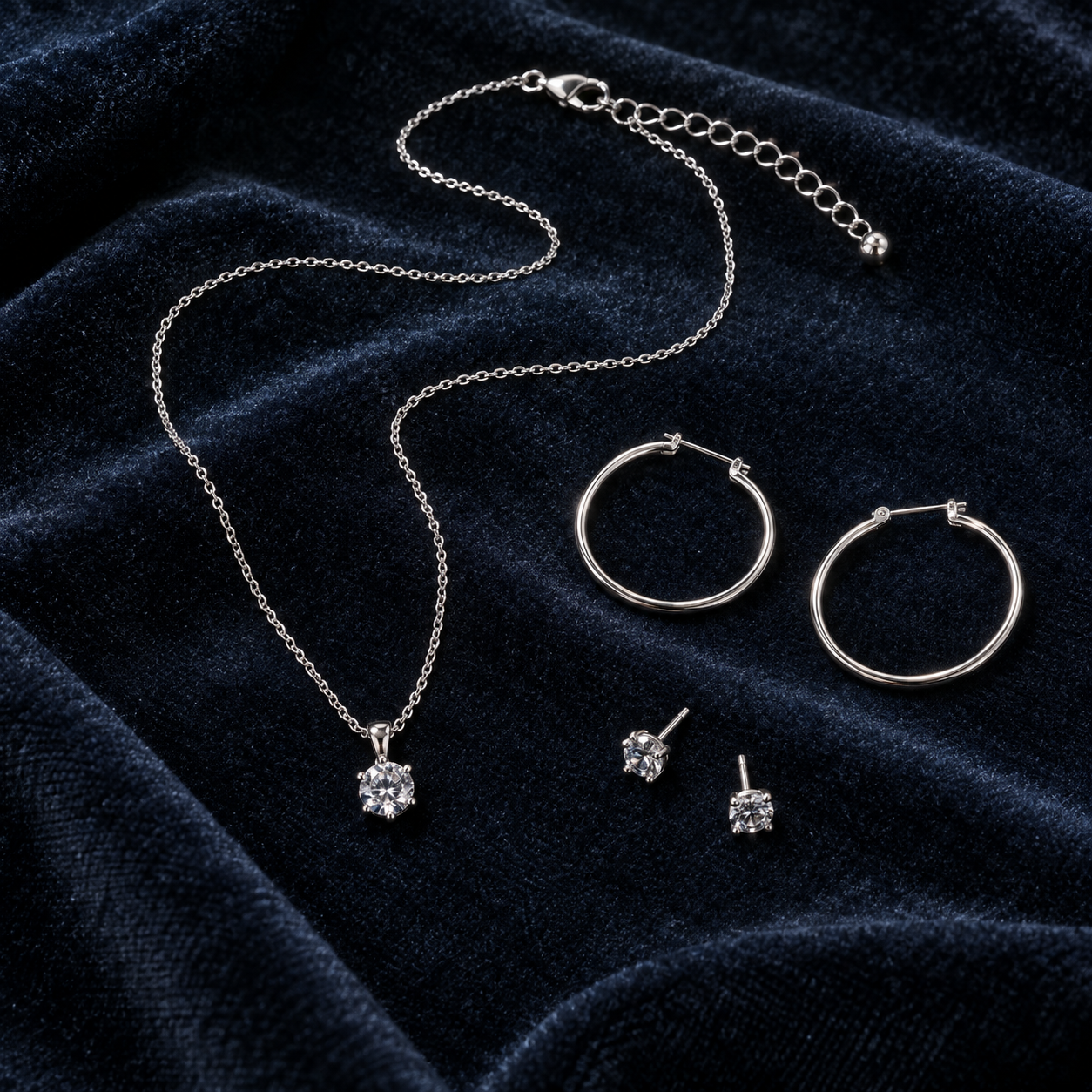
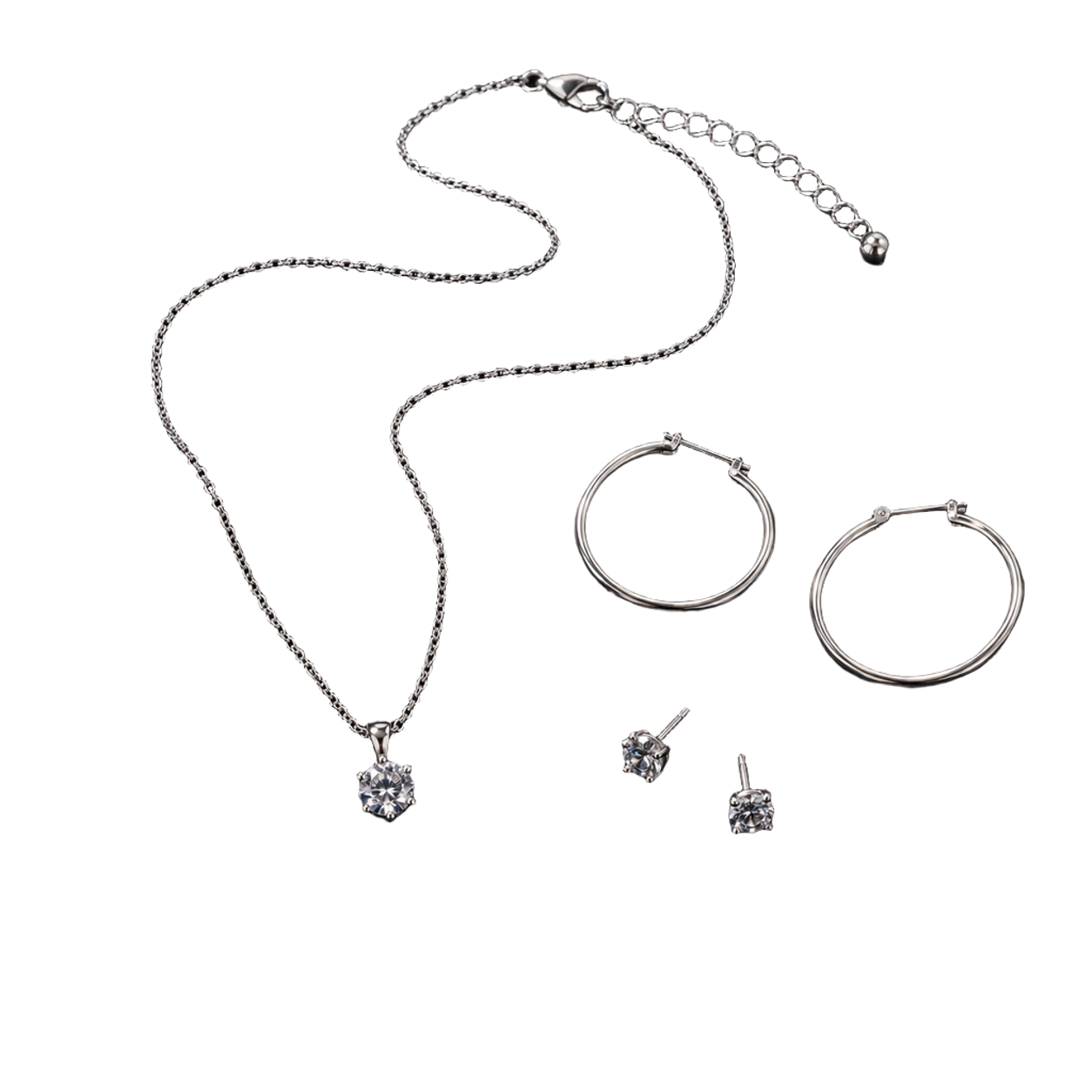
The chain and main silver forms stay connected. Tiny links, highlights, and low-contrast metal edges should be inspected at full size before catalog use.
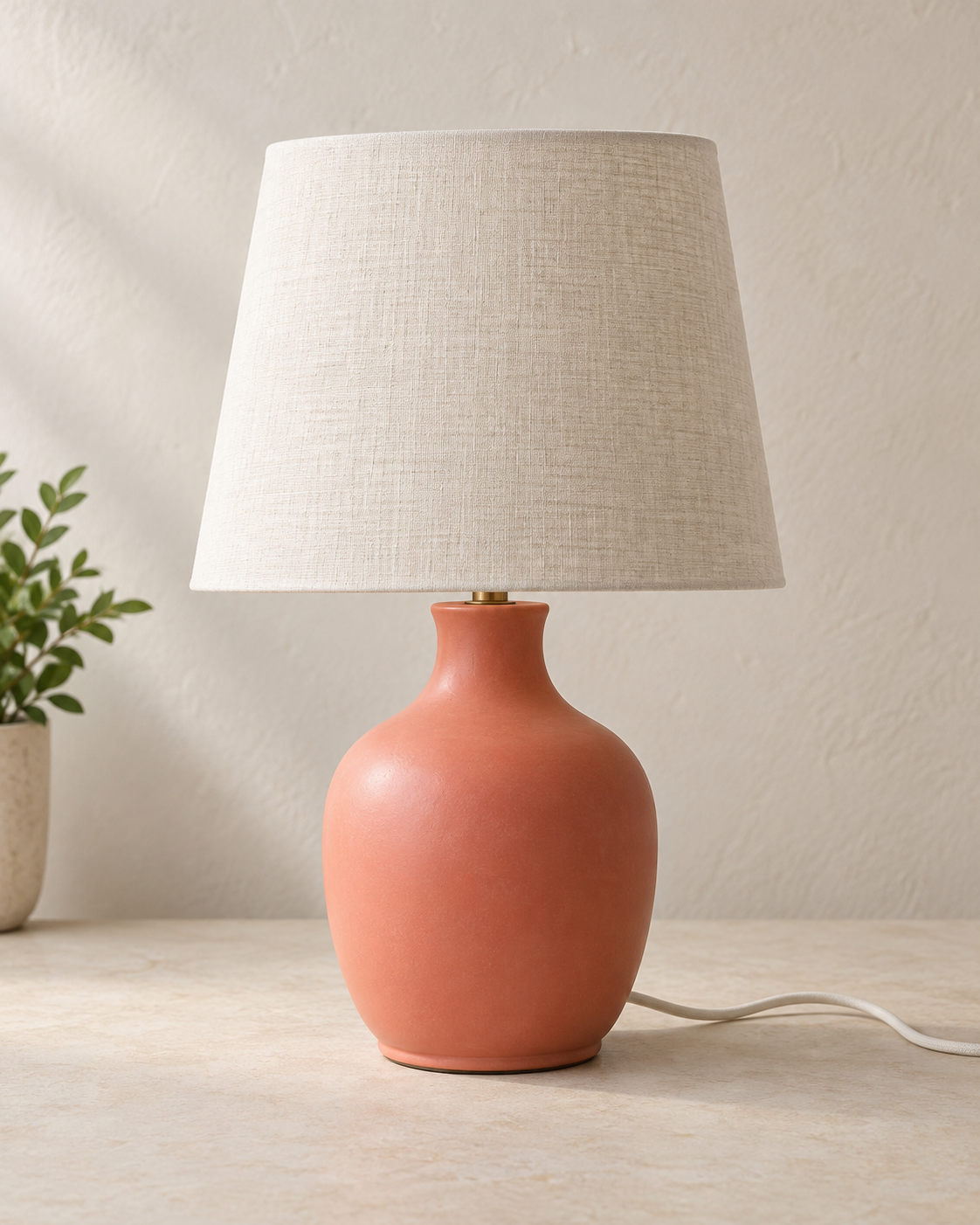
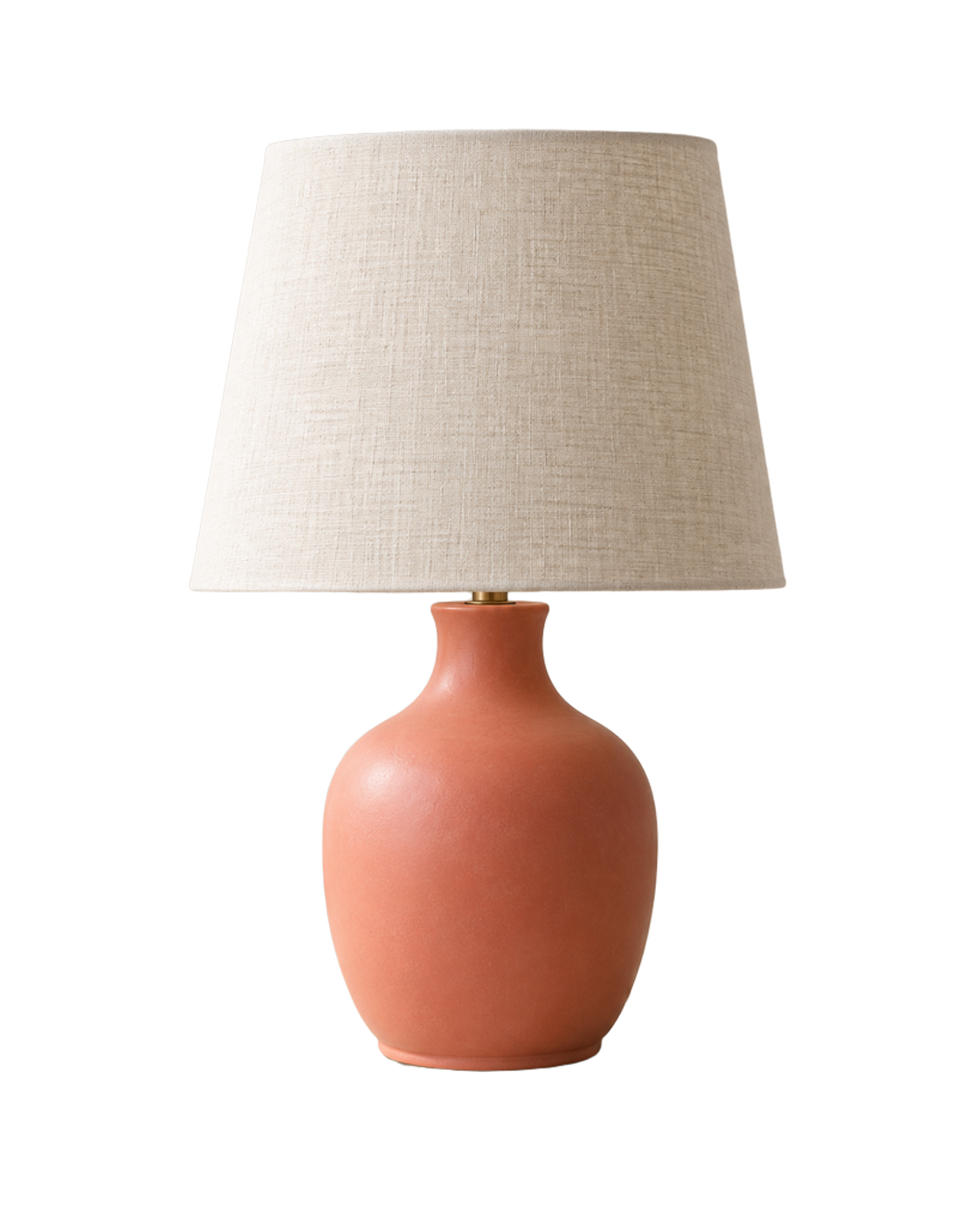
The lamp and most of its cord remain while the photographed cast shadow is largely removed. Add a new presentation shadow only if the final layout needs one.


Long edges and several fine strands remain, but the matte changes with the preview surface. Check cheek, shoulder, and ear gaps before using a dark background.


Many flyaways remain around the crown and shoulders. Backlight and semi-transparent edge strands can create a visible rim whose appearance changes with the new background.
Fine hair, fur, and narrow interior edges can retain color from the original scene. Preview against your intended background and inspect the full-size PNG before publishing it. Trying an example runs a new removal request and counts toward your usage limit. Inspect every result on transparent, white, and dark surfaces →
One cutout, several destinations
You do not need to remove the background again for each color. Preview a surface, export it when it is useful, and keep the transparent original for the next design decision.
Use the alpha PNG for a design canvas, a website element, or a later composite. The checkerboard is only a preview aid; it is not baked into the file.
Check the outline against a light background or choose a color for a quick product or profile-image treatment. Switching colors uses the same cutout, without another removal allowance.
For a photographed setting, open the cutout in Photo Editor and describe what background should replace the empty area. If you want a broader visual reinterpretation, move it to Image to Image instead.
What good results depend on
Automatic removal makes a first cut. It is worth inspecting the details that matter to your final use, especially when you plan to place the result on a very different background.
Inspect hair, fur, glass, and halo test cases →Fine flyaways and translucent strands can blend with the original setting. Compare the checkerboard and white previews, and zoom in before using a portrait cutout on a dark design.
Fluffy outlines can pick up green or blue from the scene behind them. Check ears, tail, and paws on your intended background color; a calm source photo is usually easier than heavy motion blur.
A bottle or glossy object may contain reflections of its old surroundings. Removal separates the exterior silhouette but does not automatically redesign reflections, labels, glass, or cast shadows.
Tiny lettering and thin strokes need enough source resolution. If an edge disappears, try a larger, sharper original rather than assuming the preview can restore missing pixels.
Continue creating
Keep the transparent version if you may need another backdrop later. Choose the next tool according to whether you need a targeted replacement, a whole-image reinterpretation, or a place to revisit your work.
Preparing a product listing or campaign? Compare product-photo directions and what to check.
No source image yet? Create a new image from text.
Useful details
The transparent option downloads a PNG with an alpha channel, not a white JPEG. The checkerboard is only shown in the preview. White, black, and custom-color downloads have the selected color behind the cutout.
No account is needed to try background removal. Guest use has a limited allowance, and Recent can be reopened on the same device. Signing in does not move browser creations automatically; after signing in, choose ‘Keep these in my account’ in Creations to access them across devices.
JPG, PNG, and WebP files up to 10 MB are accepted. An actual image is required; changing a filename extension does not make another file type valid. If a file cannot be opened, export it again from its source app and retry.
Fine strands, motion blur, glass, and areas with little contrast can be hard to separate from the background. Review the result against several colors and try a sharper source if important details are missing.
No. Transparent, white, black, and custom-color views all use the same cutout. A new removal request is made only when you process another image or deliberately retry.
Recent lets you reopen a guest cutout on the same device; account creations can also appear in Creations. You can preview, download, share, or continue editing a saved cutout. Removing a guest result from Recent clears it from that device, but is not an account-level privacy request.